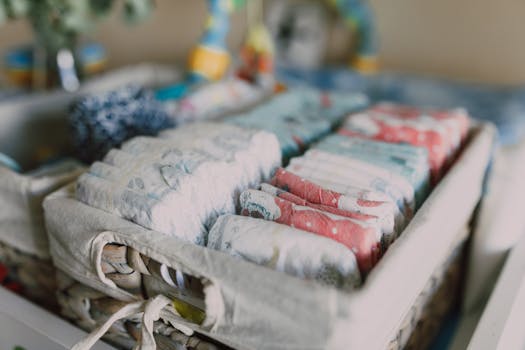
Keeping reusable dog diapers in top condition is crucial for your pet’s comfort, hygiene, and budget. While disposable options are convenient, many dog owners are turning to washable, reusable dog diapers for their eco-friendliness and long-term savings. However, to get the most from reusable dog diapers, proper cleaning and maintenance are essential. In this guide, we’ll explore the best practices for washing dog diapers, how to maintain their absorbency, and tips to prolong their lifespan—ensuring your four-legged friend stays clean and cozy while you save time and money.
The Importance of Clean and Well-Maintained Dog Diapers
Dog diapers are used for a variety of reasons: incontinence, female dogs in heat, post-surgery care, or even travel. According to the American Pet Products Association, over 69 million U.S. households own at least one dog, and an estimated 20% of those households have used dog diapers at some point. Clean, properly maintained diapers are key for several reasons:
- $1: Dirty diapers can harbor bacteria and fungi, increasing the risk of skin infections and unpleasant odors. - $1: Well-maintained diapers prevent chafing and discomfort for your dog. - $1: Proper care extends the life of each diaper, saving you money in the long run. - $1: Reusable diapers help reduce landfill waste, but only if they are cared for and reused multiple times.Neglecting regular cleaning can quickly lead to persistent stains, odors, and even health issues for your pet. Now, let’s dive into the best methods for keeping dog diapers fresh and durable.
.png)
Step-by-Step Guide: How to Wash Dog Diapers
Washing dog diapers might sound daunting, but with a routine in place, it becomes a simple part of pet care. Here’s a step-by-step process recommended by pet hygiene experts:
1. $1: Before washing, remove any solid waste. Use a dog waste bag or gloves to dispose of it in the toilet or trash. For heavily soiled diapers, consider rinsing them in the toilet using a diaper sprayer. 2. $1: Rinse the diaper in cold water to remove as much urine or fecal residue as possible. This step prevents stains from setting and minimizes odor. 3. $1: If the diaper is heavily soiled or stained, soak it in a mixture of cold water and a small amount of pet-safe detergent for 30 minutes. 4. $1: Place the diapers in the washing machine. Use a gentle, fragrance-free detergent free of bleach and fabric softeners, which can degrade the diaper’s absorbency and irritate your dog’s skin. 5. $1: Set your washer to a cold or warm water cycle. Hot water can weaken elastic bands and waterproof linings. 6. $1: Run an extra rinse cycle to ensure all detergent residue is removed—essential for sensitive-skinned dogs. 7. $1: Whenever possible, air dry dog diapers. Tumble drying on low heat is acceptable, but high heat can damage waterproof layers and elastic.$1: Keep a dedicated laundry basket for soiled dog diapers to prevent cross-contamination with your regular laundry.
Choosing the Right Detergent and Additives
Using the correct cleaning products makes a significant difference in the lifespan and performance of your dog diapers. Not all detergents are created equal when it comes to pet items.
- $1: These can break down waterproof materials and reduce absorbency. Fabric softeners may also leave residues that irritate your dog’s skin. - $1: Enzyme-based detergents are effective at breaking down organic material, eliminating stains and odors without harsh chemicals. - $1: For dogs with sensitive skin, hypoallergenic, fragrance-free detergents are best. Brands like Seventh Generation Free & Clear or Tide Free & Gentle are popular options. - $1: Adding half a cup of distilled white vinegar to the rinse cycle can help neutralize odors and break down urine deposits.$1
| Detergent Type | Pros | Cons | Recommended For |
|---|---|---|---|
| Standard Laundry Detergent | Widely available, effective cleaning | May contain fragrances or dyes that irritate skin | Dogs without sensitive skin |
| Hypoallergenic Detergent | Gentle on skin, fragrance-free | Can be more expensive | Sensitive-skinned dogs |
| Enzyme Cleaner | Great for stains/odors, breaks down organic matter | Some formulas are not pet-safe—check labels | Stain-prone or heavily soiled diapers |
| Bleach | Disinfects, removes tough stains | Damages materials, risks skin irritation | Not recommended for regular use |
Maintaining Absorbency and Waterproofing
Over time, even the best dog diapers can start to lose their absorbency or leak. This often happens due to detergent residue, fabric softener buildup, or wear and tear on the waterproof lining. Here’s how you can keep your dog diapers performing like new:
- $1: If diapers begin to smell even after washing or seem less absorbent, try strip washing. Soak them in hot water with a small amount of detergent and a tablespoon of baking soda, then rinse thoroughly until no suds remain. - $1: Too many items in one load can prevent diapers from getting fully clean and rinsed. - $1: Check elastic, seams, and waterproof linings regularly. Small tears can often be repaired with a simple stitch, but major leaks may require replacement. - $1: If the waterproof layer is compromised, some brands offer spray-on or wash-in waterproofing treatments (ensure they are pet-safe). These can extend the life of the diaper, but always follow manufacturer instructions.According to a 2021 survey by the Humane Society, properly maintained reusable dog diapers can last for up to 150 washes, compared to just a single use for disposables.
Stain and Odor Removal: Proven Tips
Persistent stains and odors can be the bane of any pet parent’s existence, but with the right approach, you can keep diapers looking and smelling fresh.
- $1: For stubborn stains, create a paste of baking soda and water, apply to the affected area, let sit for 30 minutes, then wash as usual. - $1: UV light naturally bleaches stains and kills bacteria. Hang diapers outside to dry in direct sunlight whenever possible. - $1: For white or colorfast fabrics, dab hydrogen peroxide on stains before washing. Test on a small area first. - $1: Store clean diapers with an activated charcoal bag to absorb any lingering odors between uses.Fact: According to the National Sanitation Foundation, air drying in sunlight can reduce bacteria on fabrics by up to 90%, making it one of the safest and most effective odor-fighting techniques.
Storage and Rotation for Maximum Diaper Longevity
How you store and rotate dog diapers can have a surprising impact on their condition and performance.
- $1: Use a rotation system—much like with cloth baby diapers—to ensure even wear. The average pet owner should have 3-5 reusable diapers per dog to allow for proper washing and drying time. - $1: Store clean, dry diapers in a breathable mesh bag or container. Avoid plastic bags or airtight containers that trap moisture, as these can promote mildew. - $1: When traveling, bring a waterproof bag for storing soiled diapers until you can wash them. Portable, sealable wet bags are widely available and prevent odors from escaping.A 2023 study by Pet Product Insights found that owners who rotated at least four dog diapers reported a 35% longer lifespan for each diaper compared to single-use or rapid-reuse systems.
Final Tips for Keeping Dog Diapers in Top Shape
Caring for reusable dog diapers doesn’t have to be tedious. By establishing a cleaning routine, using the right products, and following a few simple maintenance tips, you can ensure your dog’s diapers stay hygienic, comfortable, and cost-effective. Remember:
- Always check care labels for brand-specific instructions. - Replace diapers that show signs of irreparable wear or loss of waterproofing. - Keep backups on hand to avoid rushing the cleaning process.Properly maintained dog diapers are not just a convenience—they're an investment in your pet's health and your home's cleanliness.