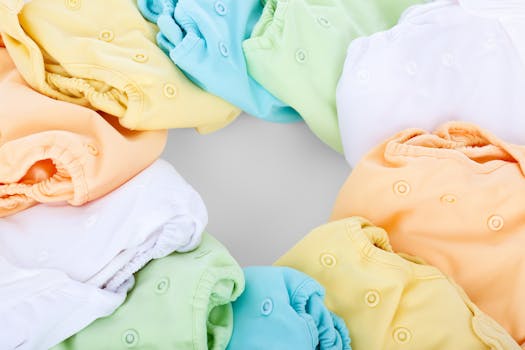
Making the Switch: How to Transition from Disposable to Reusable Diapers—Tips and Real-World Experiences
Choosing diapers is one of the first—and ongoing—decisions parents make for their babies. In recent years, more families have begun to question the environmental and financial impact of single-use disposable diapers. According to the U.S. Environmental Protection Agency, over 20 billion disposable diapers are added to American landfills each year, equaling more than 3.5 million tons of waste. With growing awareness of sustainability, many parents are looking to reusable diapers as an eco-friendly, cost-saving alternative. But how do you actually make the transition? This article provides a step-by-step guide, practical tips, and real-world experiences to help you successfully move from disposable to reusable diapers—without the overwhelm.
Understanding the Benefits: Why Make the Switch to Reusable Diapers?
Before diving into the how-to, it’s helpful to know why so many parents are making the switch. The benefits of reusable diapers extend far beyond the environment.
.png) 1. Environmental Impact: Disposable diapers take up to 500 years to decompose, and each baby can use between 2,500 and 3,000 diapers in their first year alone. Reusable diapers, on the other hand, can be washed and reused hundreds of times, dramatically cutting landfill contributions.
2. Financial Savings: The average cost to diaper a baby with disposables through potty training is between $1,500 and $2,500. A full set of reusable diapers typically costs $300–$800, with potential savings of up to $2,000 per child.
3. Gentle on Baby’s Skin: Many reusable diapers are made from natural fibers like cotton or bamboo, reducing exposure to chemicals found in some disposables.
4. Customizable Fit and Style: Cloth diapers come in a range of styles, colors, and fabrics, letting parents choose the best fit for their child’s needs and preferences.
1. Environmental Impact: Disposable diapers take up to 500 years to decompose, and each baby can use between 2,500 and 3,000 diapers in their first year alone. Reusable diapers, on the other hand, can be washed and reused hundreds of times, dramatically cutting landfill contributions.
2. Financial Savings: The average cost to diaper a baby with disposables through potty training is between $1,500 and $2,500. A full set of reusable diapers typically costs $300–$800, with potential savings of up to $2,000 per child.
3. Gentle on Baby’s Skin: Many reusable diapers are made from natural fibers like cotton or bamboo, reducing exposure to chemicals found in some disposables.
4. Customizable Fit and Style: Cloth diapers come in a range of styles, colors, and fabrics, letting parents choose the best fit for their child’s needs and preferences.
Comparing Disposable and Reusable Diapers: A Practical Overview
To make an informed decision, it’s useful to see how disposable and reusable diapers stack up across several key factors. The table below summarizes the main differences:
| Feature | Disposable Diapers | Reusable Diapers |
|---|---|---|
| Initial Cost | $0.20–$0.40 per diaper | $15–$25 per diaper (one-time) |
| Total Cost (2.5 years) | $1,500–$2,500 | $300–$800 |
| Environmental Impact | 3.5 million tons/year in US landfills | Minimal landfill waste (if reused properly) |
| Convenience | Single use; discard after use | Requires washing and drying |
| Skin Health | Some contain chemicals, fragrances | Natural fibers available; fewer chemicals |
| Potty Training | May delay awareness | Often leads to earlier potty training |
Getting Started: Building Your Reusable Diaper Stash
Transitioning to reusable diapers doesn’t have to be all-or-nothing from day one. Here’s how to start building your stash and setting yourself up for success:
1. Research Diaper Types: There are several types of reusable diapers, including all-in-ones (AIOs), pocket diapers, prefolds, and hybrids. Each has unique pros and cons. For example, AIOs are simple and convenient, while prefolds are affordable but require folding and a cover. 2. Start Small: Many parents begin with a trial pack or a few different brands to see what works best for their baby. A good starting stash is 18–24 diapers for full-time use, but you can begin with as few as 6–8 for part-time or trial use. 3. Invest in Accessories: Essential accessories include a wet bag for dirty diapers, a diaper pail liner, and gentle detergent. Consider reusable wipes for extra savings and sustainability. 4. Learn the Wash Routine: Most reusable diapers require a rinse cycle, followed by a hot wash with an extra rinse. Avoid fabric softeners and bleach, as they can affect absorbency. Plan to wash every 2–3 days to avoid odor and staining.Real-World Tip: “We started by using cloth diapers just at home, and disposables when out. It made the adjustment less stressful, and we gradually built up our stash as we got more comfortable.” — Emma, mom of two
Transition Tactics: Making the Switch Smooth for Baby and Parents
The transition is easier when approached in stages, allowing both your baby and your household routines to adjust.
1. Choose a Convenient Time: Avoid starting during major transitions (like moving or travel) or right after a newborn arrives. A calm period lets you focus on the new routine. 2. Mix and Match: Use reusable diapers at home and disposables at night or for outings until you find your rhythm. This hybrid approach reduces pressure and helps you identify when reusables work best for your family. 3. Prep Diapers in Advance: Stuff pockets or fold prefolds ahead of time so they’re as easy to grab as a disposable. 4. Communicate with Caregivers: If your baby goes to daycare or has other caregivers, provide clear instructions, extra wet bags, and labeled diapers. Many daycares are open to cloth diapers if you make it simple. 5. Address Leaks and Fit: Adjust the fit around the legs and waist, and try different inserts for more absorbency if needed. Most leaks are due to improper fit or not enough absorbency for your child’s needs.Real-World Tip: “We had a few leaks at first, but once we figured out the right combination of inserts and fit, it was smooth sailing. The learning curve is real, but it’s worth it!” — Lucas, parent of a toddler
Common Challenges and Solutions When Switching to Reusable Diapers
Like any new routine, switching to reusable diapers comes with challenges. Knowing them ahead of time—and having solutions—can make all the difference.
1. Laundry Load: Washing diapers adds 2–3 loads per week. Many parents find it manageable; some use a dedicated laundry day. 2. Staining and Odor: Sun-drying diapers naturally bleaches stains and neutralizes odors. Adding an extra rinse cycle can also help. 3. Out and About: Bring a small wet bag for used diapers when traveling or running errands. Pre-load your diaper bag with enough clean diapers for the trip. 4. Nighttime Use: Some babies are heavy wetters at night. Double up on inserts or try a fitted diaper with a wool cover for extra absorbency. 5. Family Buy-In: Some partners or relatives may resist the change. Share facts about cost savings and environmental benefits, and let them see how easy modern cloth diapers are to use.Real-World Tip: “At first, my husband was hesitant, but after seeing how much money we saved and how easy it was, he became a total convert!” — Priya, parent of twins
Stories from Families: Real Experiences with Reusable Diaper Transition
Hearing from families who have made the switch can be both reassuring and inspiring.
Case Study 1: Saving Money Over Time Sarah, a mother of three, shares: “With our first, we used disposables and spent close to $2,000. For our twins, we switched to cloth and spent about $600 for everything—including extra inserts and wet bags. We even sold the diapers when we were done!”
Case Study 2: Environmental Motivation Mike and Alex, parents to a one-year-old, explain: “We were shocked by how many bags of diapers we threw out each week. Switching to cloth reduced our trash by at least 50%. Knowing we’re making a difference for the planet feels great.”
Case Study 3: Healthier Skin Jenna, mom to a baby with sensitive skin, notes: “Our baby had constant rashes with disposables. Since switching to cloth, the rashes have almost disappeared. We use organic cotton, and it’s been a game-changer.”
Tips for Long-Term Success with Reusable Diapers
Once you’re comfortable with reusable diapers, these tips can help keep your routine simple and sustainable:
1. Rotate Your Stash: Use all diapers evenly to prevent wear and extend their lifespan. 2. Refresh and Strip Occasionally: If you notice buildup or decreased absorbency, “strip” your diapers with a special wash or rinse to restore performance. 3. Plan for Growth: As your baby grows, adjust the rise settings or try larger sizes. Some one-size diapers fit from 8 to 35 pounds. 4. Share and Reuse: Many communities have buy/sell/trade groups for cloth diapers, making it easy to buy secondhand or pass on diapers when your child is potty trained. 5. Celebrate Milestones: Mark your progress—like your first month of full-time cloth or the first time you travel with reusables. Small celebrations make the journey enjoyable.Final Thoughts on Transitioning from Disposable to Reusable Diapers
Switching from disposable to reusable diapers is a meaningful step for your family, your finances, and the planet. While the transition comes with a learning curve, the long-term benefits—less waste, lower costs, and potentially healthier skin for your baby—make it worthwhile for thousands of families every year. By starting small, embracing flexibility, and learning from others’ experiences, you can make the switch with confidence and ease. Remember, every reusable diaper used is one less in the landfill and one more step toward a sustainable future.