Caring for an aging dog presents new challenges, especially when incontinence or mobility issues arise. For many senior dogs, diapers become a practical solution to maintain hygiene and dignity during their golden years. However, managing diapers for older dogs involves more than just selecting a product off the shelf—it requires understanding their special needs, adapting routines, and ensuring both comfort and health. Whether your dog is experiencing age-related incontinence, recovering from surgery, or managing chronic illness, strategic diaper management can make a significant difference in their quality of life. This comprehensive guide explores the unique requirements of older dogs, offers recommendations for effective diaper use, and provides actionable advice to help you and your canine companion navigate this stage together.
Understanding the Special Needs of Older Dogs
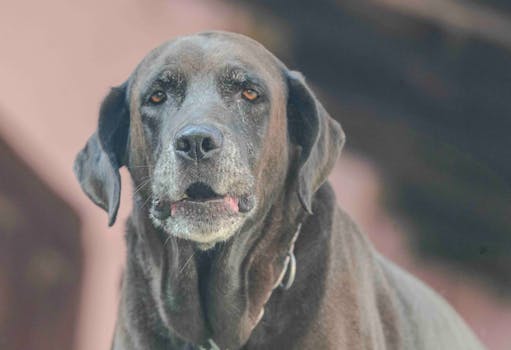
Aging affects dogs in diverse ways. As they grow older, their bodies often experience changes that increase the likelihood of accidents indoors. According to the American Veterinary Medical Association, incontinence affects nearly 12% of dogs over the age of 10. The primary causes include:
- Weakened bladder muscles - Chronic diseases, such as diabetes or kidney failure - Cognitive dysfunction (canine dementia) - Arthritis or degenerative joint disease that impacts mobilityOlder dogs may also struggle with getting up quickly to go outside, making accidents more common even in previously well-trained pets. Incontinence is not just a hygiene issue; it can lead to skin irritation, urinary tract infections, and emotional distress for your dog. Recognizing these challenges is the first step toward providing compassionate and effective care.
.png)
Choosing the Right Diaper: Features to Look For
Selecting a diaper for a senior dog is not a one-size-fits-all process. The right diaper must accommodate your dog’s anatomy, level of mobility, and degree of incontinence. Here are essential features to consider:
- $1 Older dogs may produce more urine due to medical conditions. Look for diapers with high absorbency ratings. - $1 Ill-fitting diapers can cause leaks or rub sores. Adjustable tabs and elastic waistbands are ideal for fluctuating weight. - $1 Skin health is vital for older dogs. Diapers made from breathable materials reduce the risk of rashes and sores. - $1 Arthritis in dogs or their owners can make dressing challenging. Opt for diapers with simple Velcro fastenings or slip-on designs.Below is a comparison table highlighting key differences between disposable and washable diapers for older dogs:
| Feature | Disposable Diapers | Washable Diapers |
|---|---|---|
| Absorbency | High (single use) | Moderate to High (varies by brand) |
| Cost | $0.50 - $1.50 per diaper | $15 - $35 per diaper (reusable) |
| Eco-friendliness | Single-use, generates waste | Reusable, less landfill impact |
| Convenience | No washing needed, easy disposal | Requires washing and drying |
| Skin Sensitivity | May cause irritation if left on too long | Often softer, better for sensitive skin |
For dogs with severe incontinence, disposable diapers may be more practical due to their superior absorbency. For dogs with mild leakage or owners looking for long-term cost savings, washable options are a sustainable choice.
Establishing a Diaper Routine for Senior Dogs
Consistency is crucial when managing diapers for older dogs. Establishing a routine not only keeps your home cleaner but also helps your dog adjust to wearing a diaper. Here are key steps to follow:
1. $1 Change diapers every 3-4 hours or immediately after soiling. Prolonged exposure to moisture increases the risk of skin infections. According to a 2021 study by the Journal of Small Animal Practice, dogs left in soiled diapers for over 6 hours had a 35% higher risk of developing dermatitis. 2. $1 Always clean your dog’s genital area with unscented pet wipes or a damp cloth during each change. Allow the area to air dry before putting on a new diaper. 3. $1 For overnight use, consider a more absorbent diaper or a waterproof dog bed cover for added protection. 4. $1 Some older dogs may resist wearing diapers. Use treats and praise to create positive associations, especially during the initial adjustment period.Adapting your routine as your dog’s needs change is essential. Monitor for any signs of discomfort, such as biting at the diaper, redness, or unusual odors, and consult your veterinarian if problems arise.
Addressing Common Challenges with Diaper Use
Managing diapers for older dogs is not without hurdles. Here are some common issues and solutions:
- $1 Older dogs often lose muscle mass, making it harder for diapers to stay in place. Consider suspenders or a harness-diaper combo for added security. - $1 Cognitive decline can lead to anxiety, causing some dogs to chew at their diaper. If this occurs, provide distraction toys or a dog-safe onesie over the diaper. - $1 Frequent diaper use may cause redness or sores. Check for hypoallergenic materials, and apply a veterinarian-recommended barrier cream if needed. - $1 If leaks occur, reassess the size, fit, or absorbency level. Dogs with tails may need a tailored fit around the tail hole to prevent gaps.For dogs with mobility issues, consider using absorbent floor pads in areas where accidents are likely, and keep grooming sessions regular to prevent matting around the hindquarters.
Integrating Diaper Management with Holistic Senior Dog Care
Diaper management should be part of a broader approach to senior dog care. Here are ways to ensure your dog’s well-being beyond diaper use:
- $1 Incontinence can be a symptom of underlying disease. Annual or semi-annual exams help address problems early. - $1 High-quality, easily digestible food can reduce the risk of gastrointestinal upset, which may exacerbate accidents. - $1 Ramps, orthopedic beds, and non-slip mats can help older dogs move safely, reducing the likelihood of accidents caused by difficulty reaching the yard. - $1 Cognitive decline affects up to 28% of dogs over age 11. Interactive toys, gentle exercise, and a stable routine reduce anxiety and confusion, making diaper use less stressful.Consult your vet for tailored recommendations, especially if your dog’s incontinence suddenly worsens or if they develop additional symptoms.
Final Thoughts on Managing Diapers for Older Dogs
Managing diapers for older dogs is a compassionate choice that supports their comfort, hygiene, and dignity. By understanding their unique needs, choosing the right product, and establishing a consistent routine, you can greatly enhance your senior dog’s quality of life. Remember, incontinence is a common part of aging, not a cause for embarrassment. With patience, adaptability, and the right resources, both you and your dog can navigate this stage with confidence and care.