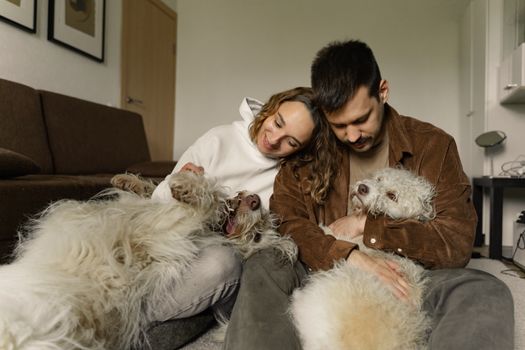
Keeping your dog dry and comfortable is a top priority for pet owners, especially when dealing with incontinence. Dog diapers have emerged as a practical solution, but incontinence prevention and management go far beyond simply putting a diaper on your pet. Understanding the causes of canine incontinence, choosing the right products, and adopting preventive strategies can significantly improve your dog’s quality of life and reduce stress for the entire household. In this comprehensive guide, we’ll explore how to keep your dog dry through effective use of dog diapers and proactive incontinence prevention.
Understanding Canine Incontinence: Causes and Early Warning Signs
Incontinence in dogs is surprisingly common, especially as pets age. Studies estimate that urinary incontinence affects about 5% of middle-aged to older dogs, with spayed females being particularly at risk. However, incontinence isn’t just a problem for seniors—medical conditions, injuries, and even some medications can lead to dribbling or loss of bladder control in younger dogs as well.
Common causes of canine incontinence include:
- Hormonal imbalances, particularly in spayed females - Urinary tract infections (UTIs) - Spinal injuries or nerve damage - Congenital abnormalities in puppies - Chronic conditions such as diabetes or kidney diseaseEarly warning signs of incontinence may include wet spots where your dog sleeps, licking of the genital area, or sudden accidents in the house. Recognizing these signs promptly and consulting your veterinarian is essential for diagnosing the underlying cause and developing an effective treatment or management plan.
.png)
The Role of Dog Diapers in Managing Incontinence
Dog diapers are a game-changer for managing incontinence, providing confidence and peace of mind for both pets and their owners. Today’s dog diapers come in a wide range of sizes and styles, designed to fit everything from tiny Chihuahuas to giant Great Danes. There are disposable options for convenience and reusable, washable diapers for eco-friendliness and long-term savings.
Properly fitted dog diapers offer several benefits:
- Prevent urine leaks from soiling furniture, bedding, and flooring - Reduce the risk of skin irritation and infections caused by constant wetness - Allow dogs to move freely and participate in family activities without embarrassmentFor male dogs, belly bands are a popular alternative to full diapers, providing targeted protection for urinary incontinence. For females or dogs with both urinary and fecal incontinence, full-coverage diapers are recommended.
But diapers alone aren’t a cure—all. They’re one part of a comprehensive strategy to keep your dog dry and comfortable.
Proactive Incontinence Prevention: Tips for a Dry, Happy Dog
While some causes of incontinence can’t be prevented, many cases can be managed or even avoided with proactive care. Here are evidence-based strategies to reduce your dog’s risk:
1. $1 Annual or biannual exams can catch emerging health issues before they progress to incontinence. Early detection of urinary tract infections, diabetes, or kidney disease allows for prompt treatment. 2. $1 Obesity is associated with higher rates of incontinence, especially in older female dogs. Keeping your dog at a healthy weight reduces pressure on the bladder and urinary tract. 3. $1 Establishing a consistent bathroom schedule—at least every 4-6 hours for adult dogs—helps maintain bladder control and reduces the chance of accidents. 4. $1 Encourage your dog to drink plenty of clean water, but avoid letting your pet drink excessively in a short time frame, as this can overwhelm the bladder. Diets high in moisture (such as those including wet food) can also help support urinary tract health. 5. $1 While spaying is important for population control and cancer prevention, research shows that spayed females are up to 20% more likely to develop hormone-responsive incontinence. Discuss timing with your veterinarian. 6. $1 Regular walks and playtime help maintain muscle tone, including the muscles that control urination.By implementing these strategies, you can help keep your dog dry and minimize their risk of developing incontinence as they age.
Choosing the Right Dog Diaper: Material, Fit, and Absorbency Compared
Given the array of products on the market, how do you choose the best dog diaper for your pet? The right choice depends on your dog’s size, type of incontinence, lifestyle, and your own preferences for convenience or sustainability.
Below is a comparison of key features among popular dog diaper types:
| Feature | Disposable Diapers | Reusable Cloth Diapers | Belly Bands |
|---|---|---|---|
| Best For | Travel, short-term, severe incontinence | Daily use, eco-friendly, cost-saving | Male dogs with urinary incontinence |
| Absorbency | High, single-use | Medium to high, depends on insert | Moderate, only covers urine |
| Cost | $0.50–$1.50 per diaper | $10–$30 each, reusable | $10–$20 each, reusable |
| Environmental Impact | High (landfill waste) | Low (washable, reusable) | Low (washable, reusable) |
| Maintenance | Dispose after use | Wash and dry regularly | Wash and dry regularly |
| Comfort | Varies by brand | Soft, often more breathable | Minimal coverage, less intrusive |
When selecting a diaper, measure your dog’s waist to ensure a snug but comfortable fit. Look for features such as leak guards, adjustable closures, and soft, breathable materials to prevent chafing or skin irritation. For dogs with sensitive skin, hypoallergenic options are available.
Maintaining Hygiene: Cleaning, Changing, and Skin Care for Diapered Dogs
A key aspect of keeping your dog dry is maintaining good hygiene. Leaving a soiled diaper on for too long can lead to skin irritation, infections, and even painful sores. Here are best practices for dog diaper hygiene:
- $1 For most dogs, diapers should be changed every 3–4 hours, or immediately after soiling. - $1 Use pet-safe wipes to gently clean your dog’s genital and rear areas during each change. - $1 Look for redness, bumps, or odor, which may indicate the onset of diaper dermatitis or infection. - $1 If your dog is prone to irritation, a thin layer of vet-approved barrier cream can help protect the skin. - $1 Follow manufacturer instructions—hot water and pet-safe detergents are usually recommended to remove bacteria and odor.A 2019 survey of pet owners found that dogs who wore clean, dry diapers with regular skin checks were 70% less likely to develop diaper rash or infections than those who did not follow a strict hygiene routine.
When to Seek Veterinary Help: Recognizing Medical Emergencies
It’s important to understand that while dog diapers are helpful, sudden or severe incontinence can signal underlying medical emergencies. Seek veterinary attention immediately if your dog:
- Suddenly cannot control urination or defecation - Shows signs of pain while urinating - Has blood in urine or a strong, foul odor - Appears lethargic, vomits, or stops eatingThese symptoms could indicate serious conditions like urinary blockage, kidney failure, or infection—each requiring prompt treatment.
For chronic incontinence, your veterinarian may recommend medications such as phenylpropanolamine or hormone replacement, physical therapy, or even surgery in rare cases. Regular check-ups are essential for adjusting your pet’s treatment plan as their needs change.
Final Thoughts on Dog Diapers and Incontinence Prevention
Managing incontinence in dogs requires a thoughtful, multi-pronged approach. Dog diapers are a valuable tool, but the real solution combines proper product use, preventive care, diligent hygiene, and ongoing veterinary support. By understanding the causes of incontinence, choosing the right products, implementing preventive strategies, and maintaining rigorous hygiene, you can keep your dog dry, comfortable, and happy throughout their life.
Every dog—and every situation—is unique. The right solution for one pet may not work for another. By staying observant, proactive, and compassionate, you can ensure your furry friend enjoys a full, dignified life, regardless of their incontinence challenges.