Welcoming a new puppy into your home is an exciting milestone, but housetraining can be a challenging journey for even the most patient pet owners. As accidents inevitably happen, many families seek effective solutions to support clean-up efforts and speed up the training process. One tool that is becoming increasingly popular is the dog diaper. While often associated with senior dogs or those with medical issues, dog diapers can actually be a valuable aid during housetraining for puppies. Used strategically, they can bridge the gap between mess and mastery, setting both you and your puppy up for long-term success. In this guide, we’ll explore how to use dog diapers specifically as a housetraining tool for puppies, including best practices, common mistakes, and how to integrate diapers into a well-rounded training routine.
The Role of Dog Diapers in Puppy Housetraining
Many first-time puppy owners are surprised by how frequently young dogs need to relieve themselves. Puppies younger than six months typically need to pee every one to two hours, with some needing even more frequent trips. According to the American Kennel Club, a two-month-old puppy may need a potty break every 2-3 hours. This constant vigilance can be exhausting, particularly for busy households.
Dog diapers can serve as a helpful backup, reducing the stress of accidents on carpets, furniture, or flooring. However, it’s important to remember that diapers are not a replacement for consistent housetraining. Instead, they act as a management tool during times when immediate outdoor access isn’t possible or supervision lapses occur.
.png) A few key roles dog diapers can play in housetraining include:
- Preventing messes in high-risk settings (e.g., overnight, during car rides, or while guests are visiting)
- Protecting valuable surfaces during early training
- Allowing for greater freedom in the home without jeopardizing progress
A few key roles dog diapers can play in housetraining include:
- Preventing messes in high-risk settings (e.g., overnight, during car rides, or while guests are visiting)
- Protecting valuable surfaces during early training
- Allowing for greater freedom in the home without jeopardizing progress
When used correctly, dog diapers can support your puppy’s transition to being fully housebroken by minimizing negative associations with accidents and helping maintain a cleaner environment for learning.
Choosing the Right Dog Diaper for Your Puppy
Not all dog diapers are created equal. There are a variety of styles, sizes, and materials designed to suit different needs. Choosing the right product is essential for comfort, effectiveness, and your puppy’s willingness to wear it.
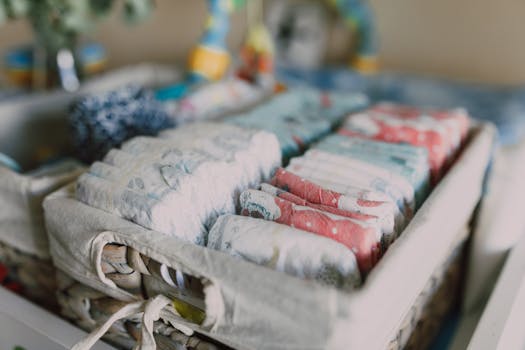
There are two main types of dog diapers: disposable and washable (reusable). Each has distinct advantages and disadvantages.
| Type | Pros | Cons |
|---|---|---|
| Disposable Diapers | - Convenient, no washing required - Great for travel or occasional use - Often have leak guards and odor control |
- Ongoing cost - Less eco-friendly - May cause skin irritation if not changed often |
| Washable (Reusable) Diapers | - More eco-friendly - Cost-effective over time - Softer fabrics may be gentler on skin |
- Require laundering - May need to buy multiple for rotation - Upfront cost can be higher |
Fit is just as important as diaper type. Puppies come in all shapes and sizes, and an ill-fitting diaper can lead to leaks, discomfort, and even chafing. Measure your puppy’s waist at the narrowest point and consult the manufacturer’s sizing chart. Many brands offer adjustable Velcro or snap closures to accommodate growth spurts.
A few additional tips for choosing and fitting dog diapers: - Look for diapers with a tail hole to allow for natural tail movement. - Check for breathable materials to reduce the risk of rashes. - Ensure snug but not tight fit; you should be able to slide two fingers under the waistband. - For male puppies, consider belly bands (which cover only the urinary area) as an alternative.How to Introduce Your Puppy to Diapers Without Stress
Dogs are creatures of habit, and puppies in particular are sensitive to new experiences. Introducing a diaper should be a gradual, positive process to prevent fear or resistance.
1. $1 Before trying to put the diaper on, allow your puppy to sniff and explore it. Reward curiosity with treats and praise. 2. $1 Gently handle your puppy’s legs and tail as you would when putting on the diaper. This desensitizes them to the sensation and builds trust. 3. $1 For the first few wearings, limit the time your puppy spends in the diaper to just a few minutes. Gradually increase duration as they become more comfortable. 4. $1 Always pair the diaper with treats, toys, or cuddles. Never scold your puppy for resisting; instead, take a break and try again later. 5. $1 Watch for signs of distress, excessive scratching, or attempts to remove the diaper. If these persist, check for fit issues or try a different style.According to a 2023 survey by Pet Product News, over 60% of pet owners who introduced diapers gradually reported better acceptance and less resistance in their puppies.
Using Diapers as Part of a Broader Housetraining Strategy
Dog diapers are not a standalone solution. They work best when integrated into a comprehensive housetraining plan that includes regular bathroom breaks, crate training, and positive reinforcement.
Best practices for using dog diapers in housetraining: - $1 Use diapers only in situations where accidents are likely or supervision is difficult—such as overnight, during car trips, or when guests are present. - $1 Even with a diaper, continue providing frequent outdoor potty opportunities. Set a timer to ensure your puppy is offered bathroom breaks every 1-2 hours. - $1 If your puppy soils the diaper, change it promptly to prevent skin irritation and teach your puppy that eliminating inside is not ignored. - $1 Continue to lavish praise and treats when your puppy eliminates outdoors. This helps reinforce the desired behavior. - $1 Diapers are a backup, not a crutch. If you find yourself using them constantly, revisit your housetraining routine and look for ways to increase supervision and outdoor breaks.A 2022 study by the Journal of Veterinary Behavior found that puppies who were given consistent outdoor access and positive reinforcement while using diapers as a backup were housetrained, on average, 25% faster than those using diapers alone or inconsistent routines.
Common Mistakes When Using Dog Diapers for Housetraining
While dog diapers can be a game-changer, misuse can slow housetraining progress or cause health issues. Here are some frequent pitfalls to avoid:
- $1 Prolonged use without breaks can lead to urine scald, rashes, and infections. Change diapers immediately after soiling and allow for diaper-free time. - $1 Check your puppy’s skin daily for redness, chafing, or hair loss. Use a sensitive-skin puppy wipe during changes if needed. - $1 Puppies may become confused if they’re allowed to eliminate in a diaper inside but are scolded for accidents when the diaper is off. Consistency is key—diapers should never replace active training and supervision. - $1 Using a diaper that’s too loose, too tight, or the wrong style can lead to leaks and discomfort, which may make your puppy develop negative associations with housetraining. - $1 Some puppies will signal they need to go out even when wearing a diaper. Failing to respond to these signals can slow learning.By avoiding these mistakes and focusing on consistent, positive training, you can maximize the benefits of dog diapers during the housetraining period.
When to Stop Using Dog Diapers in Puppy Housetraining
One of the most common questions new puppy owners ask is: how long should I use diapers during housetraining? There is no universal answer, as every puppy learns at their own pace, but there are clear signs that your puppy is ready to move beyond diapers:
- $1 If your puppy consistently stays dry during the day and signals to go outside, it’s time to reduce diaper use. - $1 Puppies who can hold their bladder for 3-4 hours or more are typically ready for more freedom. - $1 Look for consistent, reliable elimination routines rather than occasional successes.Transition gradually by limiting diaper use to high-risk situations only, then phasing them out entirely. Always continue to reward outdoor potty behavior and supervise your puppy during the final stages of housetraining.
Final Thoughts on Using Dog Diapers for Puppy Housetraining
Dog diapers, when used wisely, can be a valuable aid in the sometimes messy journey of housetraining a puppy. They reduce household stress, protect valuable surfaces, and provide peace of mind during the early weeks and months. However, they should always be part of a broader training strategy built on consistency, positive reinforcement, and patience. Choose the right type and size, introduce them gradually, and be vigilant about your puppy’s skin health and comfort. With the right approach, you’ll set the stage for a housebroken, happy pup—and a cleaner home for everyone.