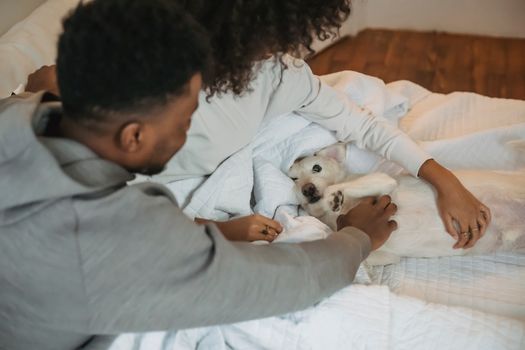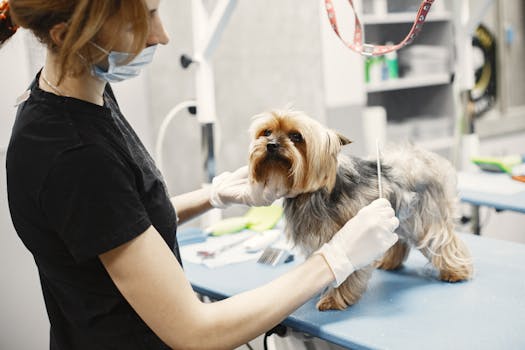
Dog ownership brings joy, companionship, and a sense of family to millions of households, but it also comes with responsibilities—among them, maintaining both your pet’s health and a clean home environment. In recent years, dog diapers have become an increasingly popular solution for addressing a variety of canine health and hygiene challenges. While often associated with puppy training or managing incontinence in senior dogs, the role of dog diapers extends far beyond these scenarios. This article explores the multifaceted ways dog diapers contribute to pet health and cleanliness, examining their benefits, addressing misconceptions, and offering insights into how they fit into a holistic approach to pet care.
How Dog Diapers Protect Against Health Risks
Dog diapers are more than just convenience products; they play a vital role in preventing health problems for both pets and their families. One of the primary health concerns addressed by dog diapers is the prevention of skin irritation and infections. Urine and feces, when left in contact with a dog’s skin, can cause rashes, sores, and even serious infections such as urinary tract infections (UTIs) or dermatitis.
A 2021 study by the American Veterinary Medical Association noted that over 10% of senior dogs experience chronic incontinence, which often leads to persistent moisture around the genital area. This constant dampness was linked to a 3x higher incidence of dermatitis compared to non-incontinent dogs. Using dog diapers helps absorb moisture and isolate waste, significantly reducing the risk of these uncomfortable and sometimes dangerous conditions.
.png)
Furthermore, in multi-pet households or environments where immunocompromised individuals live, dog diapers help minimize the spread of zoonotic diseases—illnesses that can be transmitted from animals to humans. By containing waste, dog diapers reduce the presence of bacteria such as E. coli and Salmonella in the home, promoting a healthier living space for everyone.
Supporting Mobility and Quality of Life for Aging and Disabled Dogs
As dogs age or face mobility challenges due to injury or disability, their ability to control or communicate needs for elimination can decline. This can lead to frequent accidents, which may prompt some owners to limit their pet’s freedom within the home. In severe cases, it even leads to discussions about rehoming or euthanasia.
Dog diapers help to break this cycle. By providing a reliable solution for managing incontinence, they allow dogs to maintain their usual routines and enjoy more time with their families. For instance, a survey by the National Council on Aging Pets found that 80% of senior dog owners who used diapers reported a “significant improvement” in their willingness to include their pets in daily activities, such as relaxing on the couch or sleeping in the bedroom.
This increased engagement not only improves the emotional well-being of the dog but also strengthens the human-animal bond, contributing to a higher quality of life for both.
Dog Diapers and Cleanliness: Beyond the Obvious
The most immediate benefit many owners recognize is the reduction of mess in the home. But the cleanliness benefits of dog diapers extend further. For example, in households with carpets, upholstery, or hardwood floors, even a single accident can leave lasting stains and odors that are difficult to remove. The American Cleaning Institute reports that pet stains are the leading cause of professional carpet cleaning calls, accounting for 30% of all service requests in 2022.
Dog diapers act as a proactive barrier, dramatically reducing the likelihood of such damage. In turn, this saves time, money, and stress for pet owners, while maintaining a pleasant living environment.
Additionally, dog diapers are invaluable during travel, vet visits, or stays in hotels and other people’s homes. Their use helps ensure pets are welcomed in more spaces, facilitating socialization and reducing the stigma sometimes associated with aging or special-needs dogs.
Comparing Types of Dog Diapers: Features and Suitability
Dog diapers are not one-size-fits-all. They come in various styles and materials, each tailored to specific needs. Understanding the differences is crucial for choosing the right product for your dog and situation.
| Type | Best For | Absorbency | Reusability | Cost Range (per diaper) |
|---|---|---|---|---|
| Disposable | Travel, temporary use, emergencies | High | No | $0.50 - $2.00 |
| Washable | Long-term use, eco-conscious owners | Medium-High | Yes | $5 - $20 |
| Male Belly Bands | Male dogs with urinary incontinence | Medium | Yes | $6 - $18 |
| Female Full Diapers | Females in heat, fecal incontinence | High | Yes | $8 - $25 |
Each type offers distinct benefits. Disposable diapers are convenient for short-term needs, while washable options are more sustainable and cost-effective over time. Male belly bands are designed specifically for urinary issues, whereas full diapers are necessary for fecal containment or females in heat.
Addressing Common Misconceptions About Dog Diapers
Despite their benefits, some owners hesitate to use dog diapers, often due to misconceptions. One common myth is that dog diapers are uncomfortable or harmful to pets. In reality, most modern dog diapers are made from soft, breathable materials designed to fit securely without restricting movement. In a 2022 consumer survey by Pet Product News, 92% of dog owners reported that their pets adapted to wearing diapers within three days.
Another misconception is that dog diapers are only for old or sick dogs. In fact, they are useful in many situations, including post-surgical recovery, house training, travel, and managing females in heat.
Some owners worry about environmental impact. While disposable diapers do contribute to landfill waste, the growing popularity of washable, reusable options is helping to mitigate this concern. Many brands are now using biodegradable materials for disposable products, offering a more eco-friendly choice.
Integrating Dog Diapers into Preventative Health Care
Using dog diapers should be seen as part of a broader approach to preventative pet health. Regular use, especially for dogs with incontinence or special needs, should be paired with consistent grooming, frequent diaper changes, and veterinary check-ups. Leaving a soiled diaper on for too long can negate its benefits and lead to health issues such as rashes or infections.
Veterinarians recommend changing a dog’s diaper at least every 4-6 hours, or more frequently for dogs with heavy incontinence. Always clean and dry the area thoroughly during changes. For reusable diapers, washing them with hypoallergenic detergent and ensuring they are fully dry before use helps prevent bacteria buildup and skin irritation.
Additionally, monitoring your dog’s elimination habits while using diapers can provide important health information. Sudden changes in frequency, color, or odor of urine and feces should prompt a consultation with your veterinarian, as they can be early signs of underlying medical issues.
The Bigger Picture: Dog Diapers as Tools for Responsible Ownership
Dog diapers are not a substitute for proper training or veterinary care, but they are invaluable tools for responsible pet ownership. Their growing popularity reflects a shift towards more compassionate, inclusive, and health-focused approaches to caring for dogs of all ages and abilities.
By reducing the stress of accidents, protecting household surfaces, and supporting the health and dignity of dogs with special needs, dog diapers help more pets remain cherished members of their families. According to a 2023 report by the American Pet Products Association, nearly 45% of dog owners have used diapers or related products at some point, highlighting their mainstream acceptance and effectiveness.
As our understanding of animal health and behavior continues to evolve, so too does our toolkit for ensuring pets lead happy, healthy, and comfortable lives. Dog diapers are a testament to this progress, offering practical solutions that benefit both pets and people.