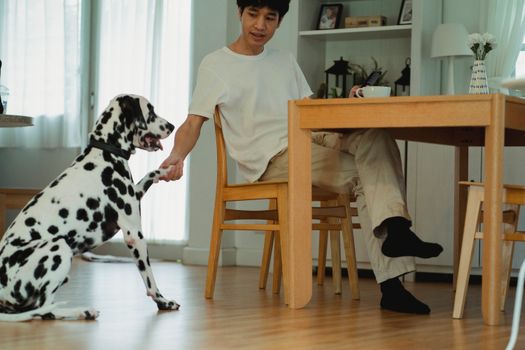
Dog diapers have become an increasingly popular tool for pet owners facing a variety of challenges, from incontinence to heat cycles, travel, and house training. But despite their growing use, myths and misunderstandings about dog diapers persist. These misconceptions can lead to confusion, hesitation, or even guilt among dog owners considering this practical solution for their pets. In this article, we’ll tackle the most common myths about dog diapers, separating fact from fiction, and helping you make informed decisions for your canine companion.
Debunking the Myth: Dog Diapers Are Only for Old or Sick Dogs
One of the most prevalent myths is that dog diapers are solely for elderly or chronically ill pets. While it’s true that senior dogs and those with medical issues like incontinence benefit greatly from diapers, their use extends far beyond these situations.
Let’s look at some numbers: According to a 2023 survey by the American Pet Products Association, about 10% of dog diaper purchases are for reasons other than age or illness. Here are some common scenarios where dog diapers prove invaluable:
.png) - Female dogs in heat: Diapers contain discharge and prevent staining on furniture or carpets.
- House training puppies: Diapers offer a backup during the learning phase, minimizing messes.
- Post-surgery recovery: Dogs recovering from certain surgeries may have temporary urinary issues.
- Excitable urination: Some dogs, especially young or anxious ones, may involuntarily urinate when excited or scared.
- Traveling: Diapers provide peace of mind during long car rides or flights when bathroom breaks are limited.
- Female dogs in heat: Diapers contain discharge and prevent staining on furniture or carpets.
- House training puppies: Diapers offer a backup during the learning phase, minimizing messes.
- Post-surgery recovery: Dogs recovering from certain surgeries may have temporary urinary issues.
- Excitable urination: Some dogs, especially young or anxious ones, may involuntarily urinate when excited or scared.
- Traveling: Diapers provide peace of mind during long car rides or flights when bathroom breaks are limited.
Clearly, dog diapers aren’t just a last-resort solution for the elderly or ill. They offer practical benefits for dogs of all ages and health statuses, supporting both pets and their owners in a variety of situations.
Myth or Truth: Dog Diapers Cause Skin Problems and Discomfort
Another widespread concern is that wearing a diaper will inevitably lead to skin irritation, rashes, or general discomfort for dogs. This myth persists despite advances in diaper design and materials.
In reality, skin problems are rare when dog diapers are used correctly. Here’s what the research and veterinary advice show:
- Modern dog diapers often use hypoallergenic, breathable materials. A 2022 report from Pet Industry News notes that over 70% of commercial dog diapers now feature moisture-wicking liners and leak guards to keep skin dry. - The main causes of skin issues include infrequent changing, improper fit, or using the wrong size diaper. Just as with baby diapers, regular changes—typically every 3-4 hours for healthy dogs—are key to maintaining skin health. - Dogs with sensitive skin may benefit from specialized products or reusable fabric diapers, which are softer and less likely to cause irritation.Veterinarians recommend checking your dog’s skin daily when using diapers and adjusting your changing routine as needed. With proper care and the right product, most dogs experience no discomfort at all.
Fact Check: Do Dog Diapers Interfere with Potty Training?
Many dog owners worry that using diapers, especially on puppies, will confuse them and prolong the potty training process. The idea is that dogs won’t learn proper habits if they’re allowed to “go” in their diapers.
However, studies and expert trainers suggest otherwise. Here are some key insights:
- Diapers are most effective as a $1 tool, not a replacement for positive potty training. According to the Association of Professional Dog Trainers, diapers can prevent accidents while still allowing for consistent training routines. - When used correctly, diapers help prevent negative associations with accidents (like scolding or stress), which can actually $1 a dog’s confidence and progress. - Consistency is key: Always offer regular potty breaks outside and reward the desired behavior. Use diapers as a safety net, not a crutch.In short, dog diapers—when used as part of a structured training plan—do not hinder potty training. They can make the process less stressful for both pets and owners, especially in busy households or apartments.
Comparing Dog Diapers: Disposable vs. Reusable and Common Misconceptions
A frequent area of confusion is the choice between disposable and reusable dog diapers. Myths abound about cost, convenience, environmental impact, and effectiveness. The following table offers a clear comparison to help bust common misconceptions:
| Feature | Disposable Dog Diapers | Reusable Dog Diapers |
|---|---|---|
| Cost Over Time | Higher (ongoing purchase) | Lower (wash and reuse up to 150 times) |
| Convenience | Very high (use and toss) | Moderate (requires washing and drying) |
| Environmental Impact | Higher (waste generation) | Lower (less landfill waste) |
| Absorbency | Typically higher for single use | Varies by brand, but improving |
| Skin Sensitivity | Generally good, but may cause issues if left on too long | Often softer, suitable for sensitive dogs |
According to a 2022 market analysis, reusable dog diapers now make up 35% of all dog diaper sales, reflecting growing consumer interest in sustainability and long-term savings. The right choice depends on your dog’s needs, your budget, and your lifestyle. Don’t be swayed by myths—both types can work well when used properly.
Will My Dog Feel Embarrassed or Stressed Wearing Diapers?
One myth that’s more emotional than factual is the belief that dogs feel embarrassed, ashamed, or stressed when made to wear a diaper. While dogs do experience emotions, their response to wearing diapers is generally not what humans imagine.
Here’s what animal behaviorists and veterinarians have observed:
- Dogs don’t have a cultural sense of shame or embarrassment about bodily functions or clothing. Their reactions are instead based on physical comfort and owner cues. - Some dogs may appear anxious or uncomfortable when first introduced to diapers—that’s typically a response to a new sensation or routine rather than “embarrassment.” - Most dogs adjust quickly, especially if the diaper is introduced gradually and paired with positive reinforcement (treats, praise, play).A 2021 behavior study found that over 80% of dogs adapted to wearing diapers within three days when owners used a gentle, encouraging approach. If your dog seems stressed, check for fit and comfort, and help them associate the diaper with positive experiences.
Busting the Myth: Dog Diapers Are a Sign of Neglect or Laziness
Perhaps the most damaging myth is the notion that using dog diapers is a shortcut for “lazy” pet owners or a sign of neglect. On the contrary, choosing to use diapers—when appropriate—can be an expression of care, responsibility, and commitment to your dog’s wellbeing.
Consider these facts:
- Diapers allow dogs with medical or behavioral issues to remain active, included, and comfortable in the home, rather than being isolated or surrendered. - A 2020 survey by Pet Health Magazine found that 68% of dog owners who use diapers report improved quality of life for their pets, especially those with mobility or bladder issues. - Responsible diaper use involves regular changing, hygiene, and attention to the pet’s comfort—far from neglect, this demonstrates attentive care.Dog diapers aren’t a replacement for veterinary care or training, but they are a valuable tool when used thoughtfully. Rather than judging pet owners, we should celebrate solutions that keep dogs healthier and happier.
Final Thoughts on Myths and Realities of Dog Diapers
Dog diapers have come a long way in both design and acceptance, but myths and misunderstandings still cloud the topic. From worries about skin health and training setbacks to emotional concerns and social stigma, it’s easy to get caught up in misinformation. In truth, dog diapers are a practical, humane solution for a range of situations—not just for the old or sick, but for any dog who needs a little extra support.
By understanding the facts, choosing the right type and size, and following good hygiene practices, you can ensure your dog’s comfort, dignity, and health. Don’t let outdated myths stand in the way of your pet’s wellbeing.