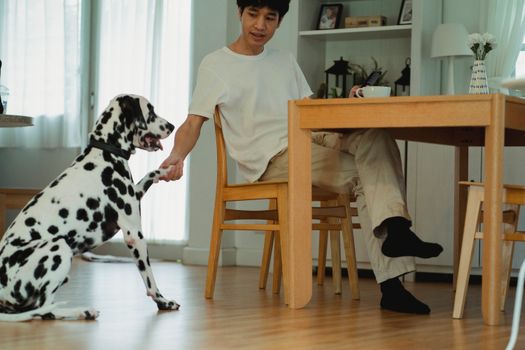
Transitioning a dog to wearing diapers is a significant change for both pets and their owners. Whether your dog needs diapers due to age, illness, incontinence, or behavioral issues, making the shift smoothly is essential for their comfort and hygiene. But how do you help your dog adjust to this new routine without causing stress or discomfort? This comprehensive guide explores best practices for transitioning a dog to diapers, focusing on understanding your dog’s needs, choosing the right products, training techniques, and maintaining a positive experience for your canine companion.
Understanding When and Why Dogs Need Diapers
Dog diapers are not just a novelty; they serve a vital purpose in canine health and household management. According to the American Veterinary Medical Association, approximately 20% of senior dogs develop incontinence as they age. Diapers can also be necessary for dogs with mobility issues, female dogs in heat, puppies not yet house-trained, or pets recovering from surgery.
Recognizing the reason your dog needs diapers is the first step in a successful transition. Dogs with underlying medical conditions may require different handling than puppies or those with behavioral issues. Consult your veterinarian to rule out treatable causes of incontinence or urinary issues before starting with diapers. Understanding your dog’s specific situation will help you tailor the transition process, ensuring it addresses both their emotional and physical wellbeing.
.png)
Choosing the Right Type and Fit of Dog Diaper
Selecting the appropriate diaper is crucial for your dog’s comfort and your peace of mind. Dog diapers come in various styles and materials, including disposable and washable versions, as well as designs tailored for male or female dogs. A poorly fitting diaper can cause chafing, leaks, or even discourage your dog from moving freely.
Here’s a comparison of the main diaper types:
| Diaper Type | Best For | Pros | Cons |
|---|---|---|---|
| Disposable Diapers | Temporary use, travel, heat cycles | Convenient, easy to use, readily available | Not eco-friendly, ongoing cost, potential for skin irritation |
| Washable Diapers | Long-term use, eco-conscious owners | Reusable, cost-effective over time, less waste | Requires regular washing, initial investment |
| Male Wraps | Male dogs with urinary incontinence | Easy to put on, fits male physique, less bulk | Not suitable for fecal incontinence |
| Full-coverage Diapers | Female dogs, fecal and urinary incontinence | Complete protection, secure fit | More coverage may bother some dogs |
Take the time to measure your dog’s waist and weight accurately. Most brands provide sizing charts, but it’s wise to try a few options to find the best fit. A proper fit prevents leaks and ensures your dog isn’t restricted in movement. Remember, over 60% of reported diaper “failures” are due to incorrect sizing.
Gradual Introduction: Helping Your Dog Adjust
Introducing a dog to diapers requires patience and positive reinforcement. Abruptly placing a diaper on your dog can result in confusion, anxiety, or resistance. Instead, adopt a step-by-step approach:
1. $1: Allow your dog to sniff and investigate the diaper before putting it on. Place it near their bed or play area for a day or two. 2. $1: The first time you put the diaper on, do so for just a few minutes while engaging your dog in a favorite activity or treat session. Gradually increase the duration over several days. 3. $1: Reward your dog with treats, praise, or play whenever they wear the diaper calmly. This creates a positive association. 4. $1: Watch for signs of discomfort, such as excessive licking, scratching, or attempts to remove the diaper. If these occur, remove the diaper and try again later for a shorter period. 5. $1: Once your dog is comfortable, incorporate diaper changes into your regular routine, such as after walks or before bedtime.A 2022 survey by the Pet Product Manufacturers Association found that dogs transitioned using gradual acclimation were 40% less likely to resist wearing diapers compared to those introduced abruptly.
Preventing Common Issues: Chafing, Leaks, and Skin Health
Wearing a diaper for extended periods can increase the risk of skin irritation, chafing, and infections. To ensure your dog’s comfort and health, adopt these best practices:
- $1: Change the diaper as soon as it becomes soiled. For most dogs, this means every 3-4 hours during the day. Prolonged exposure to wetness is the leading cause of diaper rash in dogs. - $1: Clean your dog’s genital area thoroughly with pet-safe wipes during each change. Dry the area completely before putting on a fresh diaper. - $1: For dogs prone to irritation, use a veterinarian-approved barrier cream to protect sensitive skin. - $1: Ensure the diaper is snug but not tight. You should be able to fit two fingers between the diaper and your dog’s waist. - $1: Some dogs may react to the materials in certain diapers. If you notice persistent redness or discomfort, try a different brand or switch from disposable to washable.A 2021 study in the Journal of Veterinary Behavior reported that approximately 15% of dogs developed skin irritation from improper diaper usage, underscoring the need for vigilant care.
Supporting Your Dog’s Emotional Wellbeing During the Transition
Transitioning to diapers can be emotionally challenging for dogs, especially if they associate the change with aging or illness. Dogs are highly sensitive to their owners’ moods and reactions, so maintaining a positive attitude is vital.
- $1: Avoid making a big fuss over diaper changes. Treat it as a regular part of your dog’s routine, similar to putting on a harness or collar. - $1: Continue with your dog’s favorite walks, play sessions, and cuddles to reinforce that life remains enjoyable. - $1: Soft bedding and familiar toys can help your dog feel secure, especially in the early days of wearing diapers. - $1: Some dogs may withdraw, seem anxious, or become less active. If these behaviors persist, consult your veterinarian or a certified animal behaviorist for support.Research published by the ASPCA indicates that dogs who receive consistent, positive support from their owners adapt to new routines—including diaper use—up to 50% faster than those who do not.
Establishing a Long-Term Diaper Management Routine
Once your dog has acclimated to diapers, establishing a sustainable routine is key to ongoing health and happiness. Here’s how to manage long-term diaper use effectively:
- $1: Set reminders to check and change your dog’s diaper regularly. Consistency helps prevent accidents and keeps your dog comfortable. - $1: For washable diapers, wash them with a hypoallergenic detergent and avoid fabric softeners that can irritate skin. For disposables, use a diaper pail with a lid to control odors. - $1: Keep an eye on your dog’s elimination patterns. Sudden changes in frequency, color, or odor may indicate health issues that require veterinary attention. - $1: Dogs with chronic conditions or long-term diaper use should see the vet at least twice a year for wellness checks and skin assessments. - $1: Connect with other pet owners managing similar situations via online forums or local support groups. Sharing tips and experiences can make the journey easier.According to a 2023 survey by Dog Owner’s Digest, 87% of owners who maintained a consistent diaper routine reported improved household cleanliness and fewer stress-related behaviors in their pets.
Final Thoughts on Helping Your Dog Transition to Diapers
Transitioning your dog to diapers doesn’t have to be a stressful process. By understanding your dog’s needs, choosing the right products, introducing diapers gradually, and prioritizing both physical and emotional health, you can make this new chapter as smooth as possible. Remember, patience and positive reinforcement are your best tools. With the right approach, your dog can remain happy, comfortable, and confident—even while wearing diapers.