Dog diapers have become an essential tool for pet parents managing incontinence, females in heat, post-surgery care, or house training. But while choosing the right diaper is important, maintaining proper hygiene with regular diaper changes is critical for your dog’s health and comfort. If you’re wondering how often to change dog diapers and how to do it right, you’re in the right place. This guide delves into the science of dog hygiene, factors affecting change frequency, step-by-step change techniques, and real-world tips to keep your pet happy and healthy.
Why Frequent Diaper Changes Are Essential for Your Dog’s Health
Dog diapers are designed to contain messes, but leaving a soiled diaper on too long can quickly lead to health issues. Just like in human infants, prolonged exposure to urine or feces can irritate your dog’s skin and create an unhealthy environment.
A study published in the Journal of Small Animal Practice found that dogs wearing diapers for extended periods are at increased risk for skin irritation, urinary tract infections (UTIs), and even dangerous rashes. In fact, over 30% of dogs with improper diaper management developed moderate to severe skin problems within two weeks.
.png) Some key risks of infrequent diaper changes include:
- $1 Urine breaks down into ammonia, which can burn sensitive skin.
- $1 Warm, moist environments promote the growth of bacteria and yeast.
- $1 Prolonged contact with waste can cause inflammation and open sores.
- $1 Dogs may become agitated or withdrawn if left in soiled diapers.
Some key risks of infrequent diaper changes include:
- $1 Urine breaks down into ammonia, which can burn sensitive skin.
- $1 Warm, moist environments promote the growth of bacteria and yeast.
- $1 Prolonged contact with waste can cause inflammation and open sores.
- $1 Dogs may become agitated or withdrawn if left in soiled diapers.
Regular diaper changes—paired with gentle cleaning—form the cornerstone of canine hygiene maintenance.
How Often Should You Change Dog Diapers? Factors That Matter
There’s no universal rule for how often to change dog diapers. The ideal frequency depends on several factors:
1. $1: Disposable diapers often hold more liquid than washable cloth ones, but both need monitoring. 2. $1: Puppies and senior dogs may urinate more frequently. 3. $1: Larger breeds produce more waste and may fill diapers faster. 4. $1: Active dogs may need changes more often due to movement and shifting. 5. $1: Dogs with certain illnesses (like diabetes or kidney issues) may urinate more.Here’s a data-driven overview of recommended change frequencies based on common scenarios:
| Dog Type/Situation | Recommended Change Frequency | Notes |
|---|---|---|
| Puppies (house training) | Every 2-3 hours | Puppies urinate frequently; check after naps or meals |
| Adult dogs (incontinence) | Every 3-4 hours | Monitor for leaks or discomfort |
| Senior dogs (mobility issues) | Every 3-4 hours | More frequent checks for skin health |
| Female dogs in heat | Every 4-6 hours | May last longer if only menstrual blood |
| Overnight | Once before bed, once in the morning | Use high-absorbency diapers for nighttime |
Remember, these are guidelines. Always check your dog’s diaper every few hours, and change immediately if it’s soiled. Some dogs may need more frequent changes due to medical or behavioral reasons.
Step-by-Step: The Right Way to Change a Dog Diaper
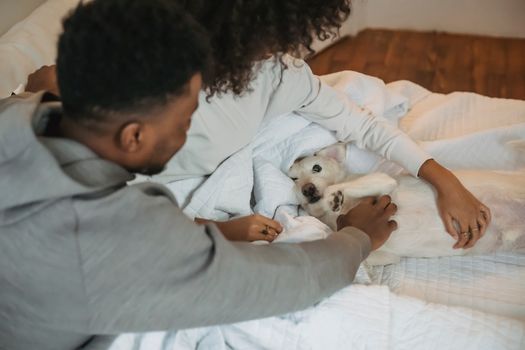
Changing a dog diaper isn’t just about swapping one for another—it’s an opportunity to check your dog’s skin, clean properly, and ensure maximum comfort. Here’s a thorough step-by-step guide:
1. $1 Have fresh diapers, dog-safe wipes or a damp cloth, dog-safe barrier cream (if needed), and disposable gloves on hand. 2. $1 Gently reassure your dog and, if possible, have them stand or lie comfortably. 3. $1 Carefully unfasten and remove the diaper, rolling it inward to contain any mess. 4. $1 Check your dog’s skin for redness, swelling, sores, or unusual odor. 5. $1 Use unscented wipes or a damp cloth to clean the genital and rear area. Make sure to remove any residue and dry the area gently. 6. $1 If your vet recommends it, apply a thin layer of dog-safe cream to protect sensitive skin. 7. $1 Slide a fresh diaper under your dog, ensuring a snug fit without being too tight. Fasten securely. 8. $1 Give your dog a treat or gentle praise to build a positive association.Proper technique not only prevents infection but also helps build trust between you and your dog.
Signs It’s Time to Change the Diaper (Even If You Aren’t Sure)
Sometimes, your dog may need a diaper change sooner than the suggested schedule. Look for these telltale signs:
- $1 The diaper appears swollen, heavy, or droopy. - $1 A strong smell of urine or feces means immediate attention is needed. - $1 Your dog repeatedly licks or chews at the diaper area. - $1 Unusual agitation, pacing, or whining can signal discomfort. - $1 Wet spots on bedding or flooring mean the diaper is full or improperly fitted.Checking your dog’s diaper regularly—every 1-2 hours for puppies, every 3-4 hours for adults—is the best way to prevent problems before they start.
Clean-Up Tips: Keeping Your Dog and Home Fresh
Maintaining hygiene isn’t just about the dog diaper itself. The surrounding environment matters, too. Here are some tips for a cleaner, fresher home and a healthier dog:
- $1 These can be swapped out quickly and laundered, reducing waste and cost. - $1 Wash your hands after each change, clean your dog's bedding every few days, and sanitize changing areas. - $1 Use pet-safe enzymatic cleaners on any accidents. Baking soda can help neutralize odors in laundry. - $1 For washable diapers, have at least 3-4 per dog for easy rotation. - $1 Some dogs may react to certain diaper materials or wipes—switch products if you notice ongoing irritation.Proper clean-up routines not only protect your dog from infections but also help keep your home smelling fresh.
Special Considerations: Diaper Changes for Dogs with Medical Needs
Dogs with special medical conditions—such as paralysis, incontinence from neurological issues, or recovering from surgery—require even closer attention.
- $1 Change diapers every 2 hours if possible. Pressure sores and urine scald can develop quickly in dogs that can’t move. - $1 Consult your vet for tailored cleaning protocols and recommended change frequency—sometimes as often as every hour. - $1 Use hypoallergenic diapers and wipes, and apply vet-recommended barrier creams.In all cases, regular veterinary check-ups are critical. Your vet can help you spot early signs of infection, recommend specialized products, and advise on any adjustments needed as your dog’s condition changes.
Final Thoughts on Hygiene Maintenance and Dog Diaper Changes
Maintaining your dog’s hygiene with regular diaper changes is a labor of love that pays off in health, comfort, and peace of mind. Most dogs will need their diapers changed every 2-4 hours, but individual needs vary. By monitoring for signs of discomfort, following a thorough cleaning routine, and adapting to your dog’s specific health needs, you’ll ensure your furry friend stays happy and infection-free.
With a little practice and the right supplies, changing your dog’s diaper becomes second nature—another way to show you care. Remember: when in doubt, change it out. Your dog’s skin (and your nose) will thank you.