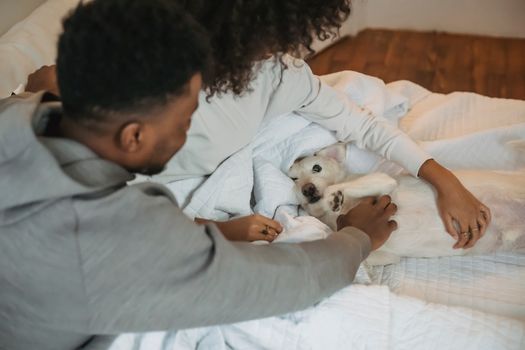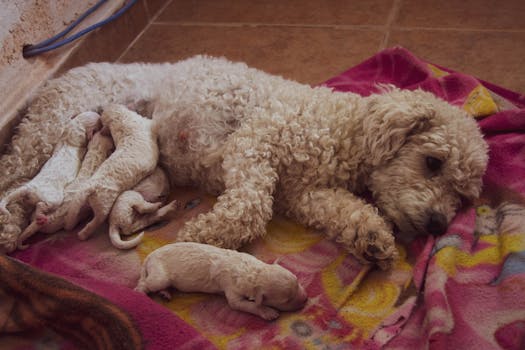
Welcoming a new litter of puppies into your home is an exciting and rewarding experience. For dog breeding beginners, however, the learning curve can be steep—especially when it comes to managing cleanliness and hygiene in the whelping area. Puppy diapers are increasingly used by breeders to maintain sanitary conditions, protect vulnerable puppies from infection, and ease the demands of cleanup. But how do you manage puppy diapers effectively, and what should beginners know to avoid common pitfalls? This comprehensive guide provides practical advice, essential facts, and actionable tips for managing puppy diapers as a new dog breeder.
Understanding Puppy Diapers: Purpose and Benefits in Breeding
Puppy diapers are designed to absorb urine and fecal matter, keeping puppies, bedding, and the surrounding area clean. While adult dog diapers are often used for incontinence or training, puppy diapers serve unique functions within a breeding environment:
- $1 Newborn puppies have immature immune systems. Diapers help keep their environment free from waste, reducing the risk of bacterial infections like E. coli, which can be fatal for neonates. - $1 Nursing dams (mother dogs) and their puppies benefit from a clean whelping area, as waste buildup can cause odors and attract pests. - $1 Diapers allow breeders to track waste output, helping identify digestive or urinary issues early on.A 2022 survey by the American Kennel Club found that 64% of breeders cited cleanliness as their top concern during the first two weeks postpartum. For beginners, puppy diapers can be a game changer—if managed properly.
.png)
Choosing the Right Puppy Diapers: Size, Material, and Fit
Selecting the right diaper is crucial for the health and comfort of your puppies. Consider these factors:
- $1 Puppies grow rapidly, sometimes doubling their weight in the first week. Diapers must fit snugly but allow free movement. Most brands provide weight or waist measurements (e.g., XS: 1-3 lbs, S: 4-6 lbs). - $1 Disposable diapers are convenient and highly absorbent but can be costly and less eco-friendly. Washable cloth diapers are reusable and softer but require regular laundering. - $1 Newborns urinate 12–20 times a day. Look for diapers with a high-absorbency core and leak guards. - $1 Velcro or elastic bands prevent slippage and make changes easier. Avoid adhesives, which can stick to fur or skin.Here’s a comparison table summarizing disposable and washable options for breeders:
| Feature | Disposable Puppy Diapers | Washable Puppy Diapers |
|---|---|---|
| Cost per Use | $0.30–$0.60 | $1.50–$3.00 (reusable 50+ times) |
| Absorbency | High | Medium–High |
| Environmental Impact | Single-use waste | Reusable, less waste |
| Skin Sensitivity | Possible irritation with prolonged use | Softer, less likely to cause rashes |
| Convenience | Quick change, no laundering | Requires washing and drying |
Establishing a Diaper Routine: Frequency, Hygiene, and Record-Keeping
Consistency is key when managing puppy diapers. Experienced breeders recommend these steps:
- $1 Check diapers at least every 2 hours for neonates, increasing to every 3–4 hours as puppies grow. Soiled diapers can cause rashes and encourage harmful bacteria. - $1 Wipe the puppy’s genital and anal areas with fragrance-free baby wipes or a warm damp cloth at every change. Dry thoroughly before putting on a new diaper. - $1 Dispose of single-use diapers in sealed bags to contain odor. For washable diapers, rinse solids into the toilet, soak in disinfectant, then machine wash in hot water. - $1 Maintain a log of each puppy’s waste output. Sudden changes in frequency, color, or consistency can signal health issues. For example, fewer than two urinations in 24 hours may indicate dehydration.A structured routine not only keeps puppies healthy but also helps breeders detect early signs of illness.
Common Challenges in Managing Puppy Diapers (And How to Solve Them)
Even with the best intentions, new breeders may encounter difficulties with puppy diapers:
- $1 If diapers are leaking, check the fit. Diapers that are too large or too small won’t absorb properly. Try a different size or adjust the fastening. - $1 Some puppies chew or wriggle out of their diapers. Use onesies or puppy bodysuits over the diaper to keep it in place, or try diapers with anti-chew fabric. - $1 Prolonged exposure to waste or wetness causes diaper rash. Apply a small amount of vet-approved barrier cream if redness appears, and increase change frequency. - $1 Some puppies resist wearing diapers, especially at first. Gradual acclimation—let them wear a clean, dry diaper for short periods and reward calm behavior—can help.Veterinary data shows that up to 15% of litters develop mild skin irritation related to diaper use, but nearly all cases resolve with improved hygiene and fit adjustments.
Hygiene Beyond Diapers: Creating a Clean Breeding Environment
Puppy diapers are just one part of a comprehensive hygiene plan. Here’s how to keep your breeding space safe:
- $1 Clean whelping boxes, bedding, and floors daily with pet-safe disinfectants. According to the CDC, parvovirus can survive on surfaces for months if not properly cleaned. - $1 Good airflow reduces moisture and discourages mold and bacterial growth. - $1 Keep a designated area for changing diapers and disposing of waste, away from food and bedding. - $1 Nursing mothers can help keep puppies clean, but don’t rely solely on her. Excessive waste around teats can cause mastitis or spread infection.The goal is to create an environment where puppies thrive and grow without the risk of illness related to poor sanitation.
When to Transition Away from Diapers: Timing and Training Tips
Puppy diapers are a temporary solution. Most breeders begin weaning puppies off diapers between 3 and 4 weeks of age, as puppies start to move around and learn to eliminate independently.
- $1 Puppies begin to crawl away from the nest before eliminating—this is a natural sign of readiness for potty training. - $1 Gradually transition from diapers to absorbent puppy pads in a designated area. According to a 2023 study, 85% of breeders found that introducing pads helped accelerate housetraining. - $1 Reward puppies when they use the pad or the correct spot. Consistency is vital for forming good habits. - $1 If a puppy struggles with bowel or bladder control beyond 6 weeks, consult your veterinarian.Transitioning off diapers not only reduces workload but also sets the foundation for lifelong cleanliness.
Final Thoughts on Managing Puppy Diapers for Breeding Beginners
Managing puppy diapers can seem daunting at first, but with the right knowledge, equipment, and routine, it becomes a manageable—and even rewarding—part of the breeding process. Prioritize fit, absorbency, and hygiene, and be prepared to adjust your approach as puppies grow. By maintaining a clean environment and closely monitoring each puppy’s health, breeders can give their litters the best possible start in life. Remember, every successful breeder was once a beginner—attention to detail and proactive care are the keys to success.