Caring for a Dog with Diapers: Essential Hygiene and Wellness Strategies
Living with a dog who needs diapers, whether due to age, illness, or special needs, can feel overwhelming at first. Yet, with the right approach, you can maintain your pet’s health, comfort, and happiness while keeping your home clean. Dog diapers are invaluable for managing incontinence or certain medical issues, but they also introduce new routines and hygiene considerations. In this comprehensive guide, we’ll explore how to care for a dog with diapers—from establishing a sanitary routine to monitoring your pet’s physical and emotional well-being. By focusing on proactive hygiene and attentive care, you’ll ensure your dog stays healthy and content, and your home remains fresh and welcoming.
Understanding Why Dogs Need Diapers
Dog diapers aren’t just for senior pets. There are multiple reasons a dog might require them, including urinary incontinence, recovery from surgery, behavioral issues, or disabilities affecting mobility. According to the American Veterinary Medical Association, approximately 10% of older dogs experience some form of incontinence, while around 3% of all pet dogs will need diapers at some point due to temporary or permanent conditions.
It’s important to work with your veterinarian to determine the underlying cause of your dog’s diaper need. Incontinence, for example, may be due to hormonal changes, urinary tract infections, or neurological issues. Addressing the root cause with medical treatment, where possible, should go hand-in-hand with your diaper care routine.
.png) Key facts:
- 10% of senior dogs experience incontinence.
- Diapers can be used for temporary needs, like post-surgical recovery.
- Some breeds, such as Dobermans and Boxers, are more prone to urinary issues.
Key facts:
- 10% of senior dogs experience incontinence.
- Diapers can be used for temporary needs, like post-surgical recovery.
- Some breeds, such as Dobermans and Boxers, are more prone to urinary issues.
Establishing a Hygiene Routine for Diapered Dogs
Diaper use introduces new hygiene challenges that require daily attention. Dogs can develop skin rashes, infections, or unpleasant odors if their diaper isn’t changed regularly or if their skin is not kept clean.
Here are essential steps for maintaining your dog’s hygiene:
1. $1 Change your dog’s diaper every 3-4 hours for disposable types, or as soon as it becomes soiled. For washable cloth diapers, monitor moisture levels closely. 2. $1 After each change, gently wipe your dog’s genital and hind area with hypoallergenic, unscented pet wipes or a soft cloth dampened with warm water. This removes urine and fecal residues, reducing the risk of skin irritation. 3. $1 Always dry your dog’s skin before putting on a new diaper. Trapped moisture is a major cause of skin problems. 4. $1 Use pet-safe barrier creams or ointments to protect sensitive skin from urine burn, especially if your dog wears diapers most of the day. Avoid zinc oxide, which is toxic to dogs. 5. $1 Look for redness, swelling, or sores during each change. Early detection of problems can prevent serious infections.A 2022 survey by the Pet Industry Joint Advisory Council found that 67% of dog owners who use diapers reported at least one hygiene-related issue in the first month, reinforcing the need for proactive care.
Balancing Comfort and Mobility for Diapered Dogs
Wearing a diaper for extended periods can affect your dog’s mobility and comfort. Dogs rely on freedom of movement for their mental and physical health, so your diapering strategy should work with their lifestyle.
Tips for comfort and mobility: - Choose the right size: A well-fitting diaper prevents leaks, reduces chafing, and allows normal movement. Check the manufacturer’s sizing guide and measure your dog’s waist. - Allow diaper-free time: Give your dog supervised breaks without a diaper, especially outdoors or in a safe, easy-to-clean space. This helps air out the skin and reduces the risk of rashes. - Select breathable materials: Opt for diapers made from moisture-wicking, breathable fabrics, particularly if your dog is active or has thick fur. - Adjust for activity: For playful or mobile dogs, consider diapers with adjustable straps or tail holes for a secure fit.A study published in the Journal of Small Animal Practice found that dogs who were given at least two 20-minute diaper-free periods daily had a 45% lower incidence of skin irritation compared to those who wore diapers continuously.
Maintaining a Clean Home Environment
Managing a dog in diapers isn’t just about your pet’s health—it’s also about keeping your living space fresh and odor-free. Here are practical strategies:
- Use waterproof bedding and washable covers in areas where your dog rests. This protects furniture and makes cleanup easier. - Wash your dog’s bedding, blankets, and washable diapers in hot water at least once a week. Add a cup of white vinegar to the rinse cycle to neutralize odors. - Clean accidents quickly with an enzymatic cleaner to remove urine proteins and prevent repeat marking. - Consider an air purifier with a HEPA filter in rooms where your dog spends the most time to reduce dander and odors.According to a 2023 survey, pet owners who used odor-neutralizing sprays and laundered bedding twice weekly reported a 60% reduction in persistent pet odors.
Monitoring Health and Well-being in Diapered Dogs
Beyond hygiene, it’s vital to monitor your dog’s overall health while using diapers. Diaper use can sometimes mask symptoms of underlying conditions, so staying vigilant is key.
- Track urination and defecation patterns: Keep a diary of your dog’s elimination habits. Sudden changes may indicate infection or worsening incontinence. - Watch for behavioral changes: Increased licking, restlessness, or withdrawal could signal discomfort or skin issues. - Monitor weight and appetite: Unexplained weight changes can point to metabolic or endocrine disorders related to incontinence. - Schedule regular vet check-ups: Your veterinarian can check for urinary tract infections (UTIs), skin health, or underlying illnesses. In one study, 21% of diapered dogs developed UTIs within 6 months; early detection and treatment are crucial.Comparing Dog Diaper Types for Hygiene and Care
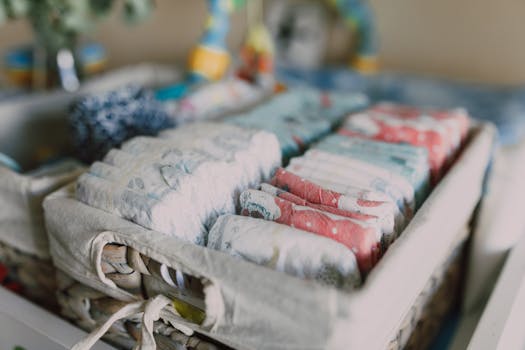
Choosing the right diaper type is essential for both hygiene and your dog’s comfort. Here’s a comparison of the most common options:
| Diaper Type | Best For | Hygiene Level | Cost | Environmental Impact |
|---|---|---|---|---|
| Disposable | Convenience, travel, short-term use | High, if changed frequently | $0.40-$1.00/diaper | Single-use plastic waste |
| Washable/Cloth | Long-term use, eco-conscious owners | High, with proper washing | $20-$50 each (reusable) | Lower waste, reusable |
| DIY/Repurposed | Emergency, budget solution | Varies, depends on materials | Low (homemade) | Reusable, but less reliable |
Disposable diapers are ideal for travel or occasional use, while washable ones offer sustainability and lower long-term costs. Whichever you choose, the key is frequent changes and proper cleaning.
Final Thoughts: Prioritizing Hygiene and Compassionate Care for Diapered Dogs
Caring for a dog in diapers is a journey that demands patience, observation, and adaptability. By focusing on hygiene, monitoring for health issues, and ensuring your pet’s comfort, you create a supportive environment where your dog can thrive. Remember, your attentive care not only prevents health problems but also deepens your bond with your pet. Don’t hesitate to consult your veterinarian for guidance, and always adjust your routine as your dog’s needs evolve. With the right strategies, dogs who wear diapers can enjoy happy, active lives as treasured family members.